Hibiscus Tea Recipe: Refreshing, Tart & Healthy Drink You Can Make at Home
There are days when you don’t just want something to drink—you want something that actually feels refreshing. Something that resets your mood, cools you down, and gives you a break from overly sweet or artificial beverages.
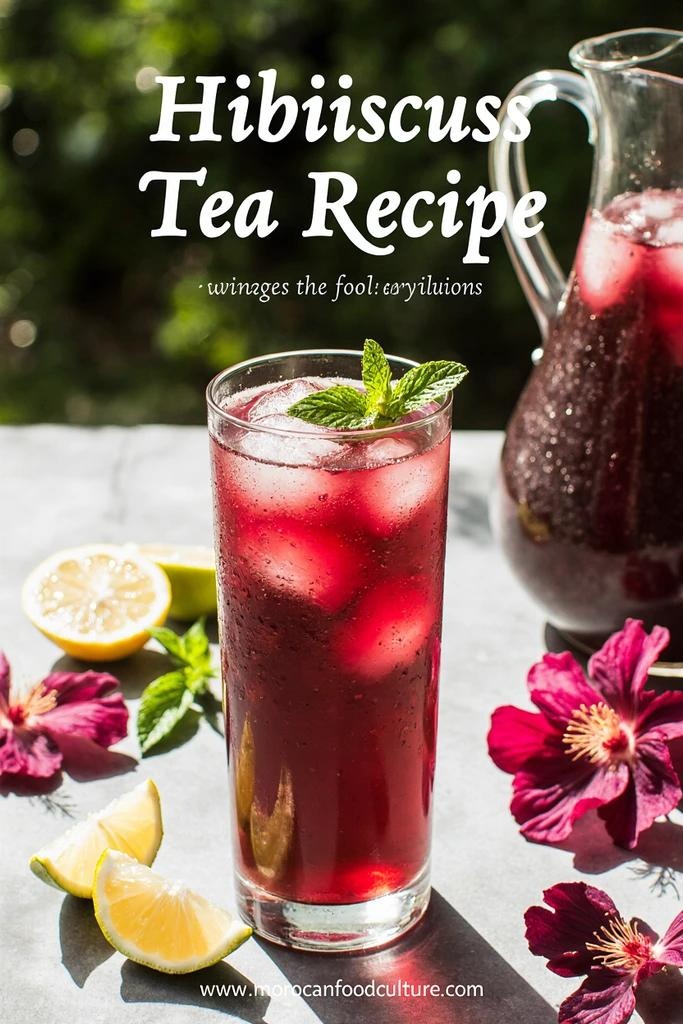
That’s exactly where a Hibiscus Tea Recipe comes in. With its deep ruby color and naturally tart flavor, hibiscus tea gives you a clean, vibrant drink that feels both refreshing and grounding. It’s simple enough to make at home, yet special enough to feel like a small ritual you’ll look forward to.
This guide walks you through everything you need—ingredients, methods, variations, health insights, and practical tips—so you can make hibiscus tea exactly the way you enjoy it.
What Is Hibiscus Tea and Why You’ll Enjoy It
Hibiscus tea is made from dried petals of the hibiscus flower, steeped in hot or cold water. What you get is a bold, tart herbal infusion that naturally resembles cranberry in flavor, but with a smoother finish.
You’ll often reach for it when you want:
- A refreshing caffeine-free drink
- Something low in calories but full of flavor
- A natural alternative to soda or juice
- A drink that works both hot and iced
Unlike many store-bought beverages, this one doesn’t rely on artificial flavoring to taste good. The flower itself does the work.
Ingredients for Hibiscus Tea Recipe
The beauty of this drink is how minimal it is. You only need a few basic ingredients, and everything else is optional based on your taste.
Ingredients table
| Ingredient | Quantity | Purpose |
|---|---|---|
| Dried hibiscus petals | 1 cup | Main flavor and color base |
| Water | 4–5 cups | Brewing liquid |
| Honey or sugar (optional) | 1–3 tbsp | Balances tartness |
| Lemon or lime slices | 1–2 slices | Adds brightness |
| Ginger (optional) | Small piece | Warm spice note |
| Cinnamon (optional) | Pinch | Depth and aroma |
Ingredient notes you should know
- Deep red hibiscus petals usually produce stronger flavor
- Fresh lemon enhances the natural tartness
- Sweeteners are optional—you can drink it unsweetened
- Spices are there to customize, not to dominate
How You Make Hibiscus Tea at Home
Once you understand the process, you’ll see how effortless it is. You’re basically just extracting flavor from petals and adjusting it to your liking.
Hot hibiscus tea method
This version gives you a deeper, richer taste.
Steps:
- Boil water in a pot
- Add dried hibiscus petals
- Let it simmer for 10–15 minutes
- Turn off heat and allow it to steep further
- Strain into a cup or pitcher
- Add lemon or sweetener if desired
What you’ll notice
- Stronger color develops quickly
- Flavor becomes deeper the longer it steeps
- Aroma feels slightly floral and tangy
Cold brew hibiscus tea method
If you prefer something smoother and more refreshing, this is your best option.
Steps:
- Add hibiscus petals to cold water
- Place in the refrigerator
- Let it steep for 8–12 hours
- Strain before serving
- Pour over ice and enjoy
Why this version works well
- Less bitterness compared to hot brew
- Naturally smoother taste
- Ideal for hot weather hydration
Health Benefits of Hibiscus Tea
While it’s not a cure-all drink, hibiscus tea has been studied and enjoyed for its natural properties.
What you may benefit from
- Naturally rich in antioxidants
- Helps support hydration
- Low in calories compared to sugary drinks
- Contains vitamin C and plant compounds
What research suggests
Some studies indicate hibiscus tea may support healthy blood pressure levels when consumed regularly, thanks to its antioxidant profile. It’s also commonly included in herbal wellness routines for general hydration and balance.
Flavor Variations You Can Try
Once you master the basic Hibiscus Tea Recipe, you can start adjusting it based on mood or season.
Popular combinations
- Hibiscus + mint → cool and refreshing
- Hibiscus + ginger → slightly spicy and warming
- Hibiscus + orange → citrus-forward and bright
- Hibiscus + berries → naturally sweet and fruity
Sweetness levels you can adjust
- Light: no sweetener, pure tart flavor
- Medium: small amount of honey or sugar
- Sweet: fruit syrup or stronger sweeteners
Each variation feels like a completely different drink built from the same base.
Common Mistakes to Avoid
Even though this recipe is simple, small mistakes can change the final result.
Brewing mistakes
- Over-boiling → can create bitterness
- Too little hibiscus → weak flavor and color
- Skipping steep time → flat taste
Storage mistakes
- Leaving tea at room temperature too long
- Not refrigerating after brewing
- Keeping it beyond 3–4 days
Flavor mistakes
- Adding too much sweetener too early
- Overpowering with spices instead of balancing
Expert Tips for Better Hibiscus Tea
If you want your tea to feel smoother and more refined, a few small adjustments help a lot.
Flavor improvement tips
- Add sweetener while tea is warm so it dissolves fully
- Use fresh citrus instead of bottled juice
- Combine with green tea for a lighter version
Serving tips
- Serve in clear glass to highlight the deep red color
- Add ice cubes made from hibiscus tea for stronger flavor
- Garnish with mint or citrus slices for freshness
Timing tip
Let the tea chill properly before serving—this helps the flavors settle and smooth out.
How to Serve Hibiscus Tea
How you serve it changes the entire experience.
Everyday serving ideas
- Over ice in tall glasses
- Warm in a mug for relaxing evenings
- In reusable bottles for hydration on the go
Social or special occasions
- Summer party drink station
- Detox-style beverage setup
- Brunch or afternoon tea table addition
It works just as well as a casual daily drink or a visually appealing serving option for guests.
Frequently Asked Questions
What is the best Hibiscus Tea Recipe for beginners?
The simplest version uses dried hibiscus petals, water, and optional sweetener, brewed hot or cold depending on preference.
Can you drink hibiscus tea every day?
Yes, it can be enjoyed daily in moderation as part of a balanced routine.
Is hibiscus tea better hot or cold?
Both work well. Hot tea feels soothing, while iced tea feels more refreshing.
Does hibiscus tea need sugar?
Not necessarily. It naturally has a tart flavor that many people enjoy without sweetener.
How long should hibiscus tea steep?
Around 10–15 minutes for hot brewing or several hours for cold brew.
Conclusion: Why This Hibiscus Tea Recipe Is Worth Trying
This Hibiscus Tea Recipe gives you a simple way to turn a handful of dried petals into a refreshing, flavorful drink you can enjoy any time of day. It’s naturally tart, visually striking, and easy to customize based on your taste.
Whether you prefer it hot for calm moments or iced for warm days, it fits smoothly into your routine without effort.
Call to Action
Try making your own hibiscus tea today and adjust it to your taste. Experiment with sweetness, add your favorite fruits or spices, and turn it into a personal go-to drink you’ll actually look forward to.