Roasted Vegetable Bowls – Healthy, Colorful & Easy Meals for Any Day
When you want something healthy, but still satisfying
There are days when you want to eat better, but you don’t want anything boring or bland. You want food that feels warm, filling, colorful, and actually enjoyable to eat. That’s exactly where roasted vegetable bowls come in.
Instead of forcing yourself through another plain salad or skipping vegetables altogether, you can build a bowl that feels comforting and flavorful. Roasting brings out natural sweetness, deep flavor, and a satisfying texture that raw vegetables simply don’t offer.
Once you start making roasted vegetable bowls, you realize something quickly—you’re not “just eating healthy,” you’re actually eating something you look forward to.
What Are Roasted Vegetable Bowls?
A simple idea with endless combinations
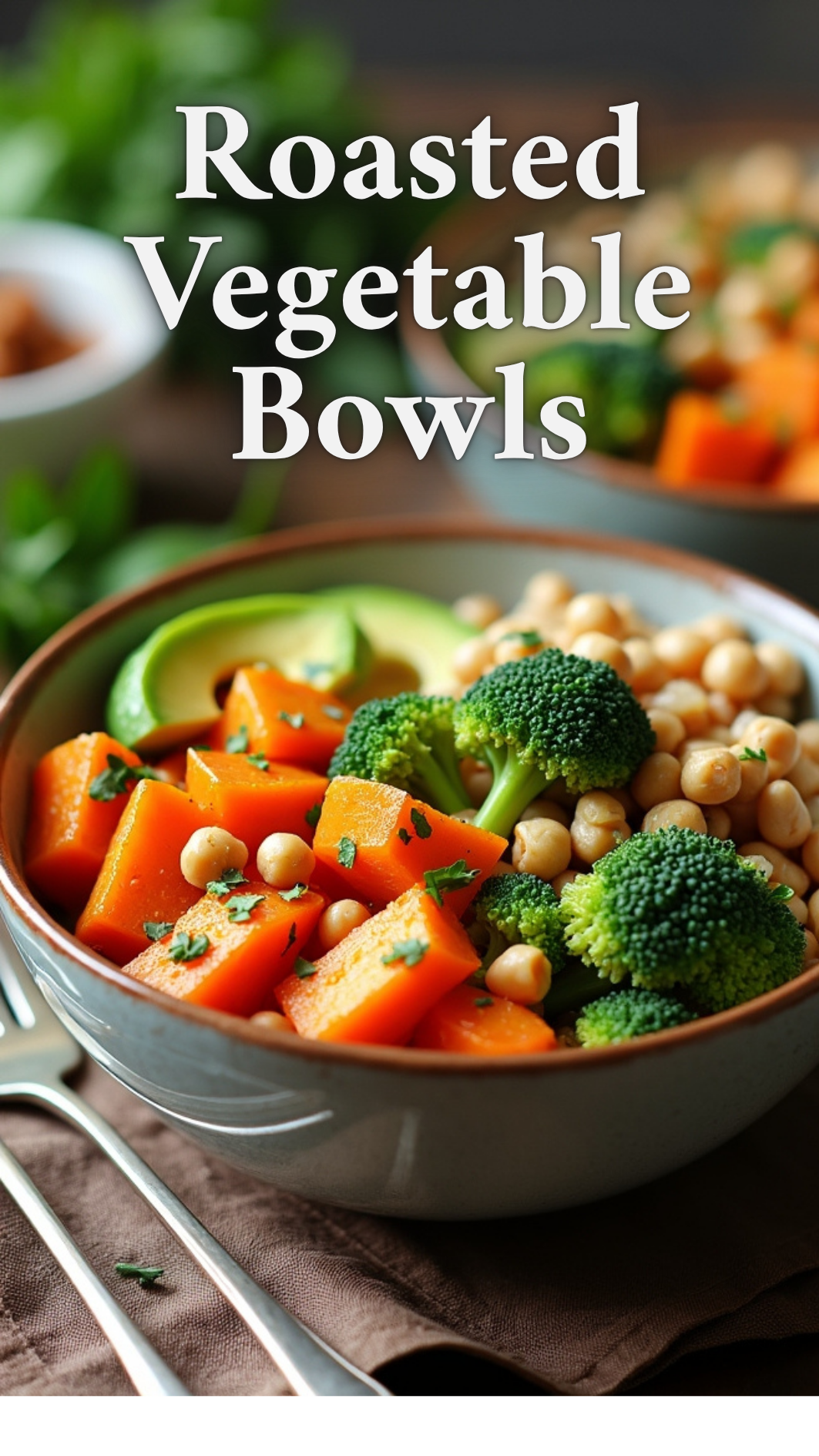
Roasted vegetable bowls are balanced meals built around oven-roasted vegetables, usually combined with grains, proteins, and sauces. They’re flexible, easy to prepare, and perfect for meal prep or quick dinners.
A typical bowl includes:
- Roasted vegetables
- A base like rice or quinoa
- Protein (optional but recommended)
- Sauce or dressing for flavor
Why roasted vegetable bowls are so popular
People love them because they are:
- Easy to prepare in batches
- Naturally nutrient-dense
- Highly customizable
- Suitable for almost any diet (vegan, vegetarian, or high-protein)
They also fit perfectly into busy lifestyles where you still want healthy food without complicated cooking.
Essential Ingredients for Roasted Vegetable Bowls
The foundation of every good bowl
The beauty of roasted vegetable bowls is that you can mix and match based on what you already have in your kitchen. Still, a few core ingredients show up often.
Common vegetables used:
- Sweet potatoes
- Broccoli
- Carrots
- Zucchini
- Bell peppers
- Cauliflower
- Red onions
Pantry staples:
- Olive oil
- Salt and pepper
- Garlic powder
- Paprika
- Herbs and spices
Ingredients Overview Table
| Ingredient | Purpose | Common Use |
|---|---|---|
| Sweet potatoes | Adds sweetness & texture | Roasting base |
| Broccoli | Crunch & nutrients | Roasting |
| Quinoa | Protein-rich grain | Bowl base |
| Olive oil | Enhances roasting | Coating vegetables |
| Chickpeas | Plant protein | Topping |
How to Roast Vegetables Perfectly
The secret behind great flavor
Roasting is what transforms simple vegetables into something rich and satisfying. It brings out natural sweetness while adding crisp edges and deep flavor.
Best vegetables for roasting:
- Cauliflower
- Carrots
- Sweet potatoes
- Brussels sprouts
- Bell peppers
Simple roasting method:
- Cut vegetables into even sizes
- Coat lightly with olive oil
- Season generously
- Roast at high heat (around 200°C / 400°F)
- Avoid overcrowding the pan
Key roasting tips
- Use parchment paper for easier cleanup
- Flip vegetables halfway for even browning
- Don’t be afraid of browning—that’s where flavor develops
- Season before and after roasting if needed
Roasted Vegetable Bowls – 7 Easy & Flavorful Bowl Ideas
These combinations show how flexible roasted vegetable bowls can be.
1. Mediterranean Roasted Vegetable Bowl
Ingredients Table
| Ingredient | Quantity |
|---|---|
| Quinoa | 1 cup |
| Roasted zucchini | 1 cup |
| Chickpeas | ½ cup |
| Feta cheese | ¼ cup |
Why you’ll enjoy it
This bowl feels fresh and balanced, combining roasted vegetables with creamy feta and protein-rich chickpeas. It’s light but still filling enough for lunch or dinner.
2. Sweet Potato & Black Bean Bowl
A naturally sweet and smoky combination.
Key features:
- High fiber content
- Plant-based protein
- Very filling and satisfying
This bowl is especially good when you want something hearty without meat.
3. Teriyaki Roasted Vegetable Bowl
What makes it stand out
- Sweet and savory glaze
- Works well with tofu or chicken
- Inspired by Asian flavors
A drizzle of teriyaki sauce transforms roasted vegetables into a flavorful, restaurant-style meal.
4. Spicy Southwest Vegetable Bowl
This bowl is for anyone who enjoys bold flavors.
Highlights:
- Black beans and corn
- Avocado for creaminess
- Spicy seasoning blend
It has a strong, smoky flavor profile that keeps every bite interesting.
5. Garlic Herb Chicken & Vegetable Bowl
A protein-packed option for non-vegetarians.
Why it works well:
- Juicy roasted chicken
- Fresh herbs and garlic
- Balanced nutrition
This is a great weeknight dinner when you want something filling but not heavy.
6. Cauliflower Curry Bowl
A warm and comforting option.
Key points:
- Roasted cauliflower absorbs spices well
- Curry seasoning adds depth
- Perfect vegetarian comfort food
This bowl feels rich without needing cream or heavy sauces.
7. Harvest Roasted Vegetable Bowl
Ingredients Table
| Ingredient | Quantity |
|---|---|
| Roasted squash | 1 cup |
| Brown rice | 1 cup |
| Kale | 1 cup |
| Pumpkin seeds | 2 tbsp |
Why it’s special
This bowl is perfect for cooler seasons. It’s earthy, warm, and full of texture with a mix of soft roasted vegetables and crunchy seeds.
How to Customize Roasted Vegetable Bowls
Choose your base
You can switch up the foundation depending on your preference:
- Brown rice
- Quinoa
- Couscous
- Farro
- Cauliflower rice
Add your protein
To make your bowl more filling, add:
- Chicken
- Tofu
- Chickpeas
- Eggs
- Salmon
Pick your sauce
The sauce is what ties everything together:
- Tahini dressing
- Yogurt sauce
- Garlic lemon dressing
- Spicy mayo
- Balsamic glaze
Meal Prep Tips for Roasted Vegetable Bowls
Roasted vegetable bowls are perfect for weekly meal prep.
How to prep efficiently:
- Roast vegetables in large batches
- Store sauces separately
- Keep grains ready in advance
- Use airtight containers
Why meal prepping works:
- Saves time during the week
- Reduces cooking stress
- Helps maintain healthy eating habits
Common Mistakes to Avoid
Even simple recipes can go wrong if you’re not careful.
Overcrowding the pan
This prevents vegetables from roasting properly and leads to steaming instead.
Using too little seasoning
Vegetables need enough seasoning to bring out flavor.
Skipping texture balance
A good bowl always includes:
- Soft elements
- Crunchy elements
- Creamy elements
Nutritional Benefits of Roasted Vegetable Bowls
Why they support a healthy lifestyle
Roasted vegetable bowls are naturally rich in:
- Fiber
- Vitamins and minerals
- Healthy carbohydrates
- Plant-based protein
Why they help with fullness
The combination of fiber, fat, and protein helps you:
- Stay full longer
- Avoid snacking too soon
- Maintain steady energy levels
FAQ – Roasted Vegetable Bowls
What are roasted vegetable bowls?
They are meals made with oven-roasted vegetables combined with grains, proteins, and sauces.
Are roasted vegetable bowls healthy?
Yes, they are rich in fiber, vitamins, and balanced nutrients.
Can I meal prep roasted vegetable bowls?
Absolutely. They are one of the best meal-prep-friendly meals.
What vegetables are best for roasting?
Sweet potatoes, broccoli, cauliflower, carrots, and peppers work very well.
What sauces go best with roasted vegetable bowls?
Tahini, yogurt-based dressings, balsamic glaze, and spicy sauces are popular choices.
Conclusion: A simple way to eat better every day
Roasted vegetable bowls prove that healthy eating doesn’t have to be complicated or boring. With just a few ingredients, you can create meals that are colorful, filling, and full of flavor.
Whether you prefer Mediterranean, spicy, or comfort-style bowls, the combinations are endless—and that’s what makes them so enjoyable.
Call to Action
Try building your own roasted vegetable bowl this week using ingredients you already have at home. Mix, match, and experiment until you find your favorite combination. Once you do, healthy eating will start to feel a lot more natural—and a lot more delicious.