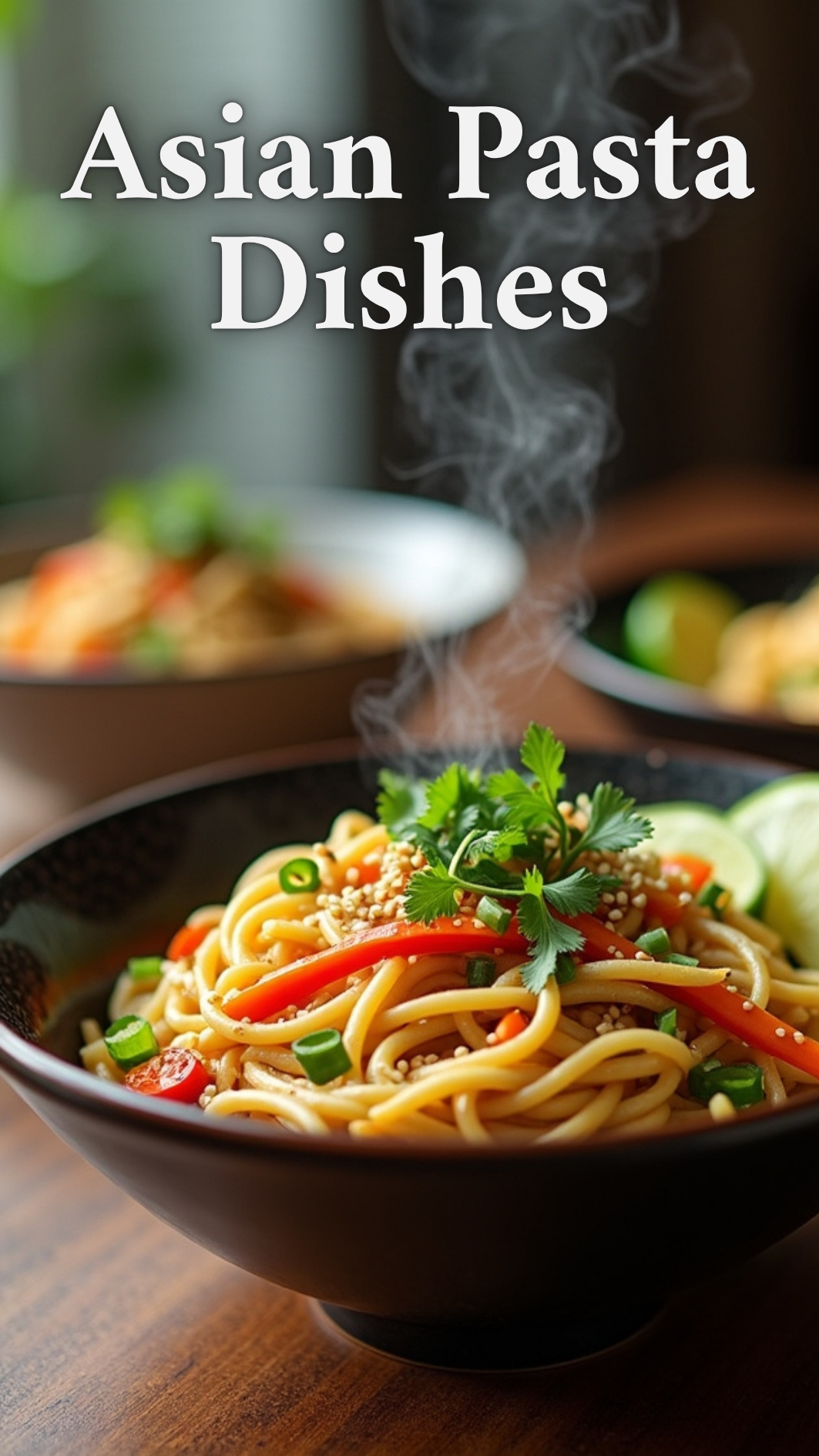
Asian Pasta Dishes – Flavorful, Quick & Comforting Recipes You’ll Love Making at Home
When you want comfort food, but with real excitement
There are evenings when you want something comforting, but plain pasta just doesn’t hit the mark. You’ve had it before—basic sauce, predictable flavors, nothing memorable.
That’s usually when Asian pasta dishes change everything.
They take the comfort of noodles or pasta and combine it with bold Asian flavors like soy, garlic, sesame, chili, and ginger. The result is a meal that feels familiar but far more exciting. Every bite is layered with flavor—savory, slightly sweet, sometimes spicy, and deeply satisfying.
Once you start cooking them at home, it’s hard to go back to ordinary pasta nights.
What Are Asian Pasta Dishes?
A fusion that actually works
Asian pasta dishes are fusion recipes that combine traditional Asian ingredients and sauces with Western pasta or Asian noodles. Instead of heavy cream or tomato-based sauces, they rely on umami-rich ingredients like soy sauce, sesame oil, miso, and chili pastes.
You’ll often see combinations like:
- Spaghetti with soy-garlic sauce
- Noodles tossed in peanut sauce
- Pasta with spicy Korean gochujang
- Stir-fried noodles with vegetables and sesame oil
Why these dishes are becoming so popular
Asian pasta dishes are trending because they are:
- Quick to prepare (often under 20 minutes)
- Budget-friendly and pantry-based
- Highly customizable
- Packed with bold flavor without complicated steps
They fit perfectly into busy lifestyles where you still want something homemade and satisfying.
Essential Ingredients for Asian Pasta Dishes
The building blocks of flavor
You don’t need a long grocery list to start making Asian pasta dishes. Most recipes rely on a few key pantry staples that deliver big flavor.
Core ingredients you’ll use often:
- Soy sauce
- Sesame oil
- Garlic and ginger
- Chili paste or sriracha
- Rice noodles, spaghetti, or egg noodles
- Green onions
- Vegetables (carrots, peppers, bok choy)
- Protein options like chicken, shrimp, tofu, or beef
These ingredients can be mixed in different ways to create completely different dishes.
Ingredients Overview Table
| Ingredient | Purpose | Common Use |
|---|---|---|
| Soy sauce | Umami base | Sauces & stir-fries |
| Sesame oil | Nutty aroma | Finishing flavor |
| Garlic | Flavor depth | Most recipes |
| Rice noodles | Main carbohydrate | Stir-fried dishes |
| Chili paste | Heat & spice | Spicy noodle bowls |
Cooking Techniques for Asian Pasta Dishes
Stir-frying brings everything together
Most Asian pasta dishes rely on stir-frying, which cooks ingredients quickly over high heat. This helps preserve texture and keeps vegetables slightly crisp.
Key points:
- Use high heat for better flavor development
- Cook ingredients quickly to avoid sogginess
- Toss constantly for even coating
Building a balanced sauce
The sauce is what defines the dish. A good Asian pasta sauce usually balances:
- Salty (soy sauce)
- Sweet (honey or sugar)
- Spicy (chili paste)
- Sour (vinegar or lime)
- Umami (miso or oyster sauce)
Common mistakes to avoid
- Overcooking noodles until mushy
- Adding too much sauce at once
- Skipping fresh garnishes like herbs or green onions
Asian Pasta Dishes – 7 Easy & Flavorful Recipes
These recipes are simple, beginner-friendly, and full of flavor.
1. Garlic Soy Noodles
This is one of the easiest Asian pasta dishes you can make in under 10 minutes.
Ingredients Table
| Ingredient | Quantity |
|---|---|
| Spaghetti | 200g |
| Soy sauce | 3 tbsp |
| Garlic | 4 cloves |
| Sesame oil | 1 tsp |
Why it works
This dish is all about simplicity. The garlic infuses the oil, and the soy sauce gives a deep savory flavor that coats every strand of pasta.
2. Thai Peanut Noodles
Creamy, slightly sweet, and rich in flavor.
Key highlights:
- Peanut butter-based sauce
- Balanced sweet and salty taste
- Works well with chicken or tofu
It’s the kind of dish you can eat warm or cold, making it great for meal prep.
3. Korean Spicy Gochujang Pasta
A bold, fiery twist on classic pasta.
Why you’ll like it:
- Deep chili flavor from gochujang
- Slight sweetness to balance heat
- Perfect with beef or mushrooms
This dish is ideal when you want something with real kick.
4. Chicken Teriyaki Pasta
A family-friendly fusion dish.
Key points:
- Sweet and savory teriyaki glaze
- Tender chicken pieces
- Balanced with vegetables
It’s one of those meals that feels comforting but still exciting.
5. Sesame Ginger Noodle Bowl
Light, fresh, and aromatic.
Highlights:
- Strong ginger flavor
- Nutty sesame notes
- Great for quick lunches
This dish feels clean but still full of flavor.
6. Thai Basil Stir-Fry Pasta
A fragrant and slightly spicy option.
Key features:
- Fresh basil aroma
- Chili heat in the background
- Works best with freshly cooked pasta
It’s best served immediately while everything is hot and fresh.
7. Miso Butter Noodles
A creamy umami-rich comfort dish.
Ingredients Table
| Ingredient | Quantity |
|---|---|
| Pasta | 200g |
| Miso paste | 1 tbsp |
| Butter | 2 tbsp |
| Soy sauce | 1 tbsp |
Why it stands out
The combination of miso and butter creates a rich, silky sauce that clings perfectly to pasta.
How to Customize Asian Pasta Dishes
Protein choices
You can easily adjust these dishes by adding:
- Chicken
- Shrimp
- Tofu
- Beef
- Eggs
Vegetable additions
Adding vegetables improves both nutrition and texture:
- Broccoli
- Bell peppers
- Carrots
- Mushrooms
- Bok choy
Adjusting spice levels
- Mild: reduce chili paste
- Medium: add sriracha
- Hot: use chili oil or fresh chilies
Sauce variations
- Add honey for sweetness
- Add lime juice for freshness
- Add coconut milk for creaminess
Choosing the Right Pasta or Noodles
Best options for Asian pasta dishes
- Rice noodles
- Udon noodles
- Soba noodles
- Spaghetti
- Egg noodles
Why pasta works so well
Even traditional Italian pasta works because:
- It absorbs sauces well
- It’s widely available
- It holds strong flavors easily
Nutritional Benefits of Asian Pasta Dishes
A balanced meal when done right
These dishes can be surprisingly balanced when you include vegetables and protein.
They often provide:
- Carbohydrates for energy
- Protein for fullness
- Fiber from vegetables
- Healthy fats from sesame oil or nuts
Healthier adjustments you can make
- Use whole wheat pasta
- Add extra vegetables
- Reduce sodium in soy sauce
- Choose lean protein options
Meal Prep Tips for Asian Pasta Dishes
If you want to save time during the week, these dishes work well for meal prep.
Best practices:
- Store sauce separately if possible
- Cook noodles slightly firm (al dente)
- Reheat with a splash of water or broth
- Use airtight containers for freshness
This keeps texture and flavor much better over time.
FAQ – Asian Pasta Dishes
What are Asian pasta dishes?
They are fusion recipes that combine pasta or noodles with Asian sauces, spices, and cooking styles.
Are Asian pasta dishes spicy?
They can be mild or spicy depending on ingredients like chili paste or chili oil.
Can I use regular pasta for Asian recipes?
Yes, spaghetti and other pasta types work very well with Asian sauces.
Are Asian pasta dishes healthy?
They can be healthy when balanced with vegetables, lean protein, and controlled sauces.
What sauces are commonly used?
Soy sauce, sesame oil, peanut sauce, teriyaki, and miso-based sauces are the most common.
Conclusion: A simple way to upgrade your pasta nights
Asian pasta dishes bring together the comfort of familiar noodles with the bold, layered flavors of Asian cuisine. They are fast, flexible, and full of personality—perfect for nights when you want something easy but far from boring.
Whether you prefer spicy Korean-style pasta, creamy peanut noodles, or simple garlic soy spaghetti, there’s always a version that fits your mood
Call to Action
Try one of these Asian pasta dishes this week and experiment with your favorite sauces, proteins, and vegetables. Once you find your perfect combination, you may never look at regular pasta the same way again.